By Sophie Bendoris | Digital Marketing | SNHU
Okay, so I’ll be honest, when I first read the Warby Parker case study, my reaction was basically “obviously.” Like, of course, buying glasses online makes sense. Of course, you’d try them on at home. But then I thought about it from the perspective of 2010, and I realized how genuinely wild this was. Nobody was doing this. The eyeglass industry was completely locked up. You went to a store, you paid way too much, and that was just how it worked. And these four guys from Wharton decided to blow the whole thing up with $2,500 and a really smart social media strategy.
The more I dig into this for class, the more I think Warby Parker is honestly one of the best examples of social media marketing done right. Here’s why.
They Actually Solved a Real Problem (and Talked About It That Way)
The thing that struck me first was that Warby Parker didn’t just promote the product; they talked about the problem their product solved. High prices, inconvenient stores, and no options if you live in a rural area. They directed their content toward the frustrations people already had with buying glasses, rather than just saying “hey, buy our glasses.” That feels so obvious when you say it out loud, but most brands don’t actually do this. They just blast promotional content and hope it works. Warby Parker used social media to have real conversations, responding to comments, answering concerns, and creating YouTube videos with actual, useful information. This is what my course calls transactional communication, which basically means two-way dialogue instead of one-way broadcasting. Honestly, it makes complete sense why that works better. Nobody likes being talked at. We like being talked to.

The Home Try-On Campaign Was Genius and Here’s the Social Media Reason Why
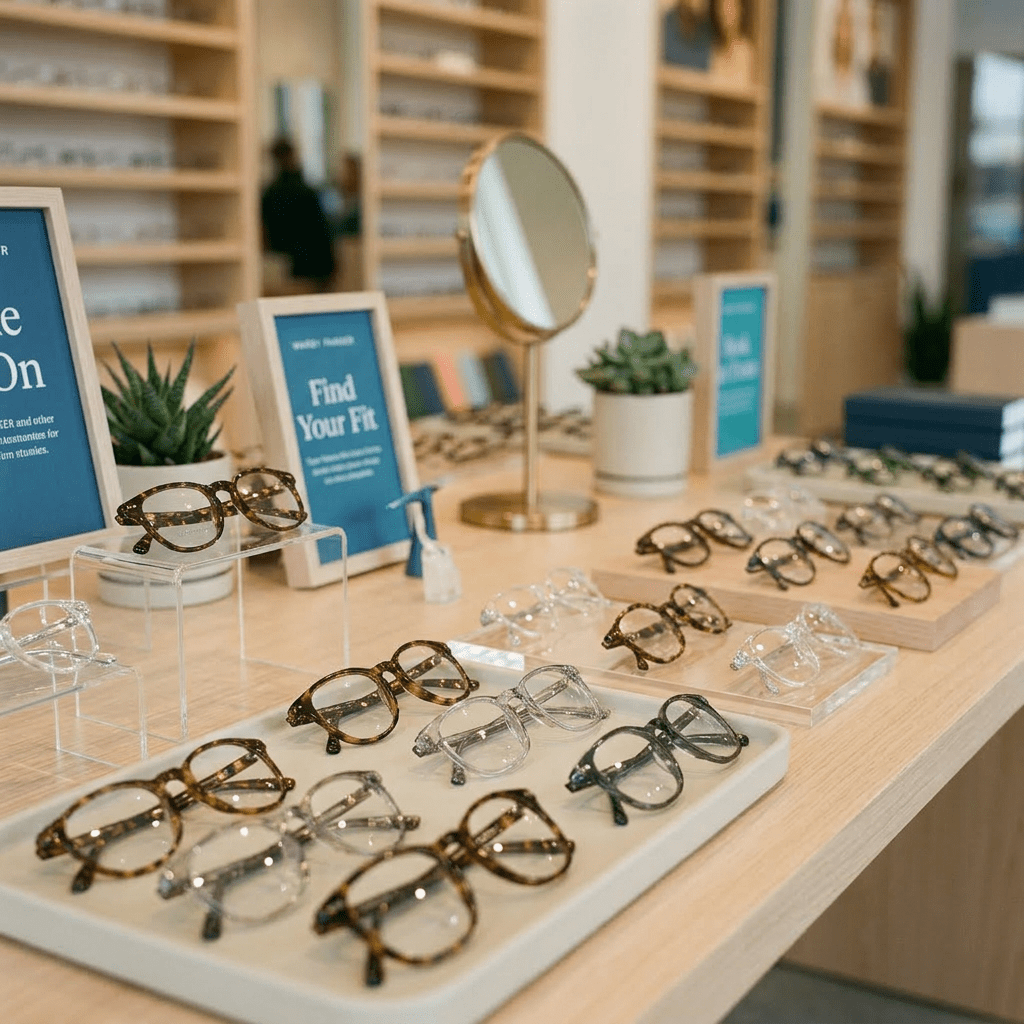
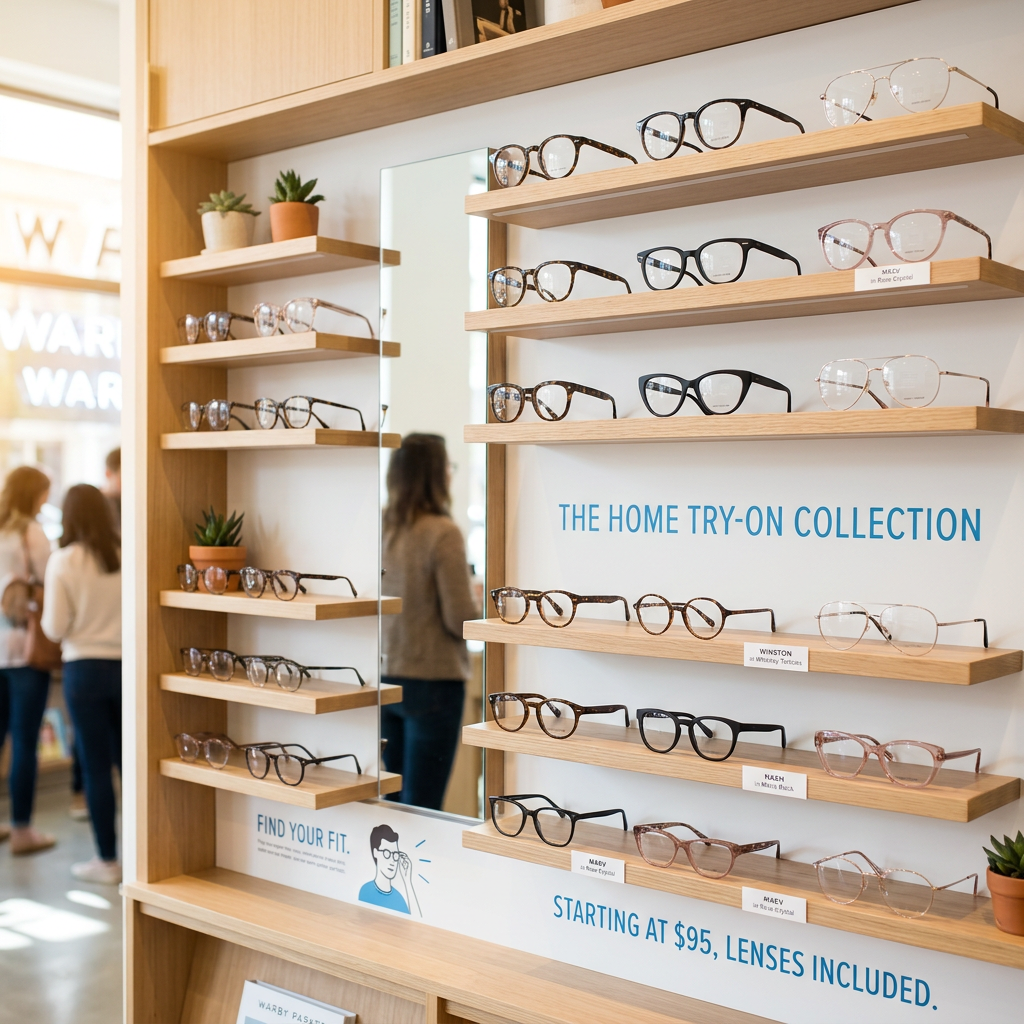
The Home Try-On Campaign is brilliant on its own. You get five pairs shipped to your house, try them on, keep what you want, and send the rest back for free. Zero risk. But the social media piece is what really made it take off.
Warby Parker encouraged people to post photos of themselves in the frames and ask their friends which ones to pick, and people did it constantly. Which meant that instead of Warby Parker having to convince strangers to trust them, their own customers were doing it for them. Friends asking friends for opinions. People see someone they already know and like wearing these glasses and thinking, ” Hm, maybe I should try that.
The statistic that got me was that customers who posted photos bought twice the rate of those who didn’t. Twice. That’s not a small difference. It makes total sense when you think about what we’ve been learning about social learning theory. We model our behavior after people we identify with and trust. A brand telling you their product is great is one thing. Your actual friend posting a cute photo of herself in their frames is something completely different. That’s the power of community over diffusion, which is a concept from Chapter 3 that I keep thinking about. Pushing a single message to a mass audience (diffusion) is far less effective than getting people to talk to one another about your brand (community). Warby Parker basically built a machine for the second thing.
They Made People Feel Good About Switching
Another thing I think about with Warby Parker is how they handled the discomfort people feel when they’re being asked to change a habit. There’s actually a term for this: cognitive dissonance, which describes the mental friction of doing something that doesn’t match your existing beliefs. Buying glasses online felt wrong to many people. Too risky. Too unfamiliar. Warby Parker attacked this from multiple angles. The free home try-on removed the practical risk. The social media community removed the social risk; if everyone you know is doing it, it feels a lot more normal. Their partnership with VisionSpring, where they donate a pair of glasses for every pair sold, gave people a positive story to attach to their decision.
That last part is something I hadn’t really thought about before taking this class. The idea that giving your customers a narrative they feel good about sharing is itself a marketing strategy. People don’t just buy products. They buy the story they get to tell about buying the product. “I got new glasses and someone in need got a pair too” is a really easy, feel-good story to tell your friends. Which brings it right back to word of mouth and community.
What I’m Taking Away From This
The reason the Warby Parker case study is so important when viewed through a social media marketing lens is that it shows how the concepts we’re learning actually work together in real life. Social learning theory, community building, transactional communication, and reducing dissonance are not just textbook stuff. This company literally built its entire growth strategy around these ideas before most people even had the vocabulary for them.
As someone who’s worked in retail and e-commerce, I’ve seen firsthand how much harder it is to get a customer to change their habits than to just sell to someone who’s already looking for what you have. Warby Parker figured out that social media isn’t just a place to advertise, it’s a place to build the kind of trust and community that makes people actually willing to try something new, and that’s the thing I want to take with me from this.
 the blogging bendoris
Leave a comment